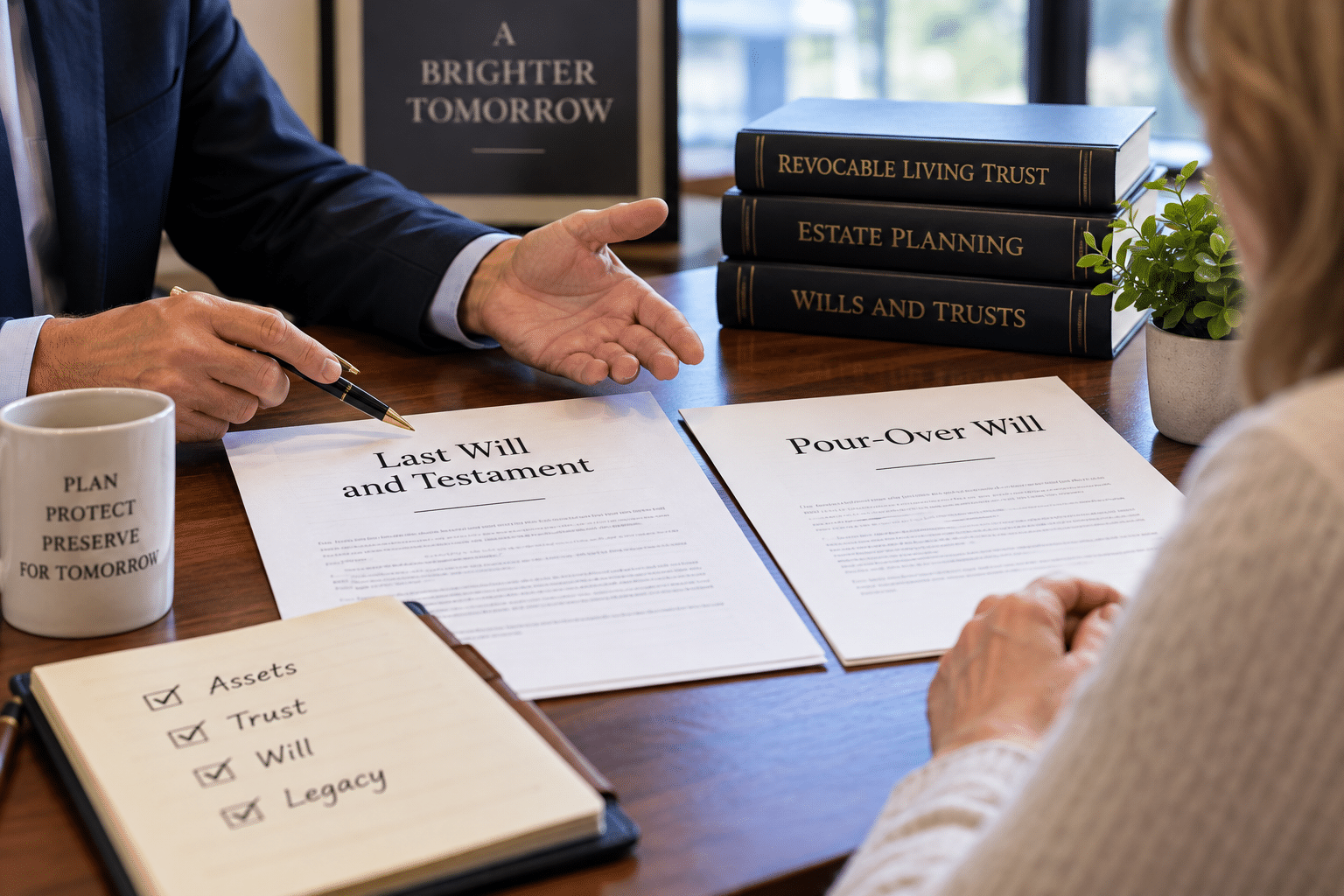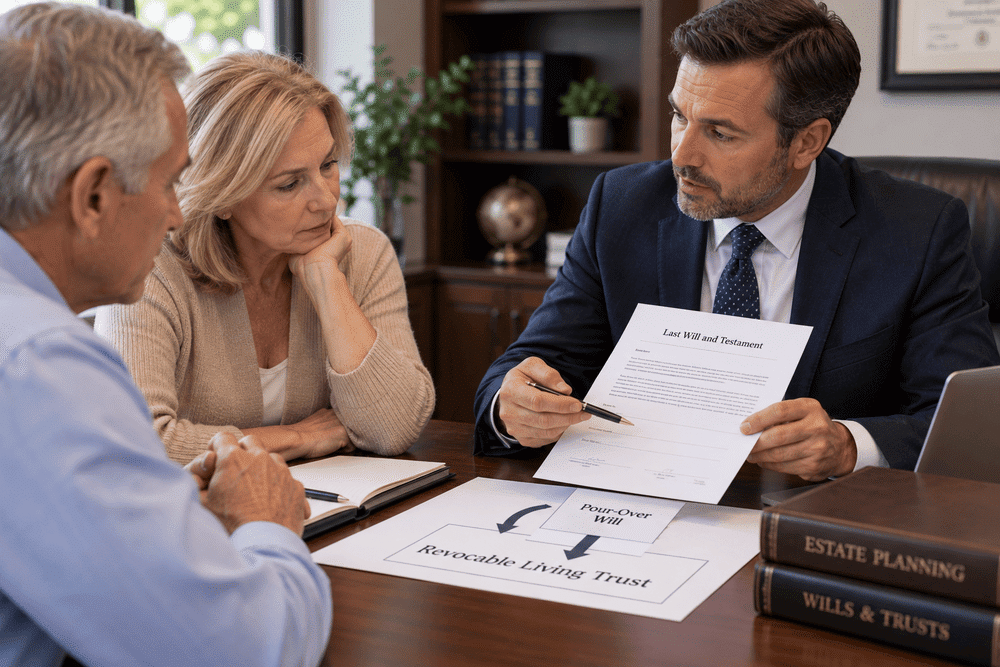
Many clients have heard the term “pour-over will” but are not sure if it is just another name for a regular will. It is not. A pour-over will is still a will, but it has a more specific role in an estate plan that includes a living trust. Instead of giving all probate assets directly […]
Someone might write out their wishes by hand, sign the paper, and think they have made a valid will. But in New York, handwriting alone usually is not enough to make a will legally binding. The state has specific rules for making wills, and if these are not followed, the document may not control the […]
A will is a key part of any estate plan because it explains how someone wants their property divided after death and names who will handle the estate. But just having a document called “Last Will and Testament” does not mean a New York Surrogate’s Court will accept it. New York has strict rules about […]
In New York, it is possible to contest a will after someone passes away. However, simply disagreeing with the inheritance is not enough to overturn the will. To challenge a will, a person usually needs a legal interest in the estate and must have a valid reason recognized by the court. These cases often depend […]
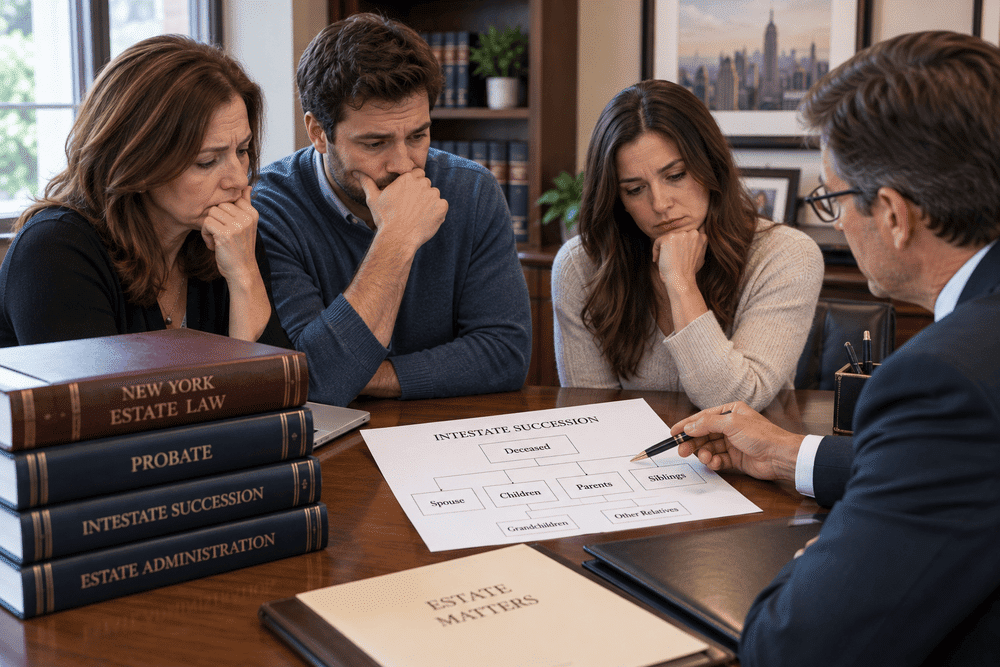
If you die without a will, your property does not just disappear or automatically go to New York State. Instead, you lose the chance to decide who gets your probate assets, who manages your estate, and how your family’s needs are handled after your death. When someone passes away without a valid will, they are […]
Privacy matters in estate planning, but many people are surprised by how much information can become public after someone passes away. When a will goes through probate, it is no longer just a private family document. Once it enters a Surrogate’s Court case, much of the estate file may be open for public viewing unless […]
When we set up an estate plan with a revocable living trust in Suffolk County, the trust is just one part of the process. We also have to think about what happens to property that was never moved into the trust before someone passes away. Things like a new bank account, recently bought property, a […]
Choosing a trustee is a key part of setting up a trust, but things can change over time. A trustee might pass away, become unable to serve, resign, face health issues, move, or find it too difficult to manage the trust. If this happens, the trust usually continues, and beneficiaries still have the protections the […]
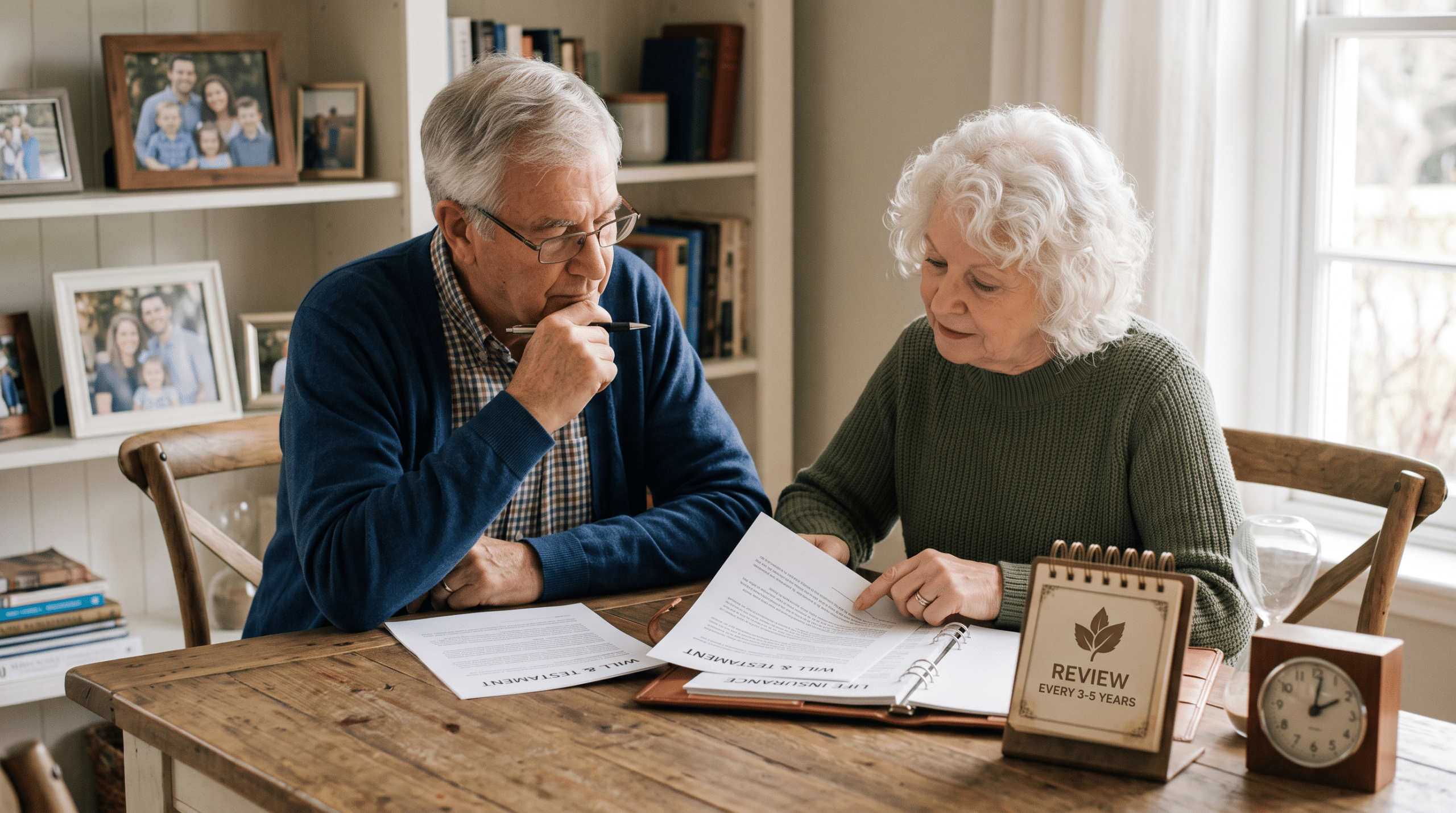
Creating an estate plan is a big step, but signing the documents is not the final stage. Over time, families, assets, and laws can change, and the people you once chose to make decisions might not be the best fit years later. We often see clients who made their wills, trusts, powers of attorney, and […]